
Reseller guides / Eagle4KPanel.com
Eagle 4K HTTP Error Codes: 401, 403, 405 and 5xx Explained
Published 26 October 2026 · Eagle4KPanel.com · Reseller troubleshooting guide
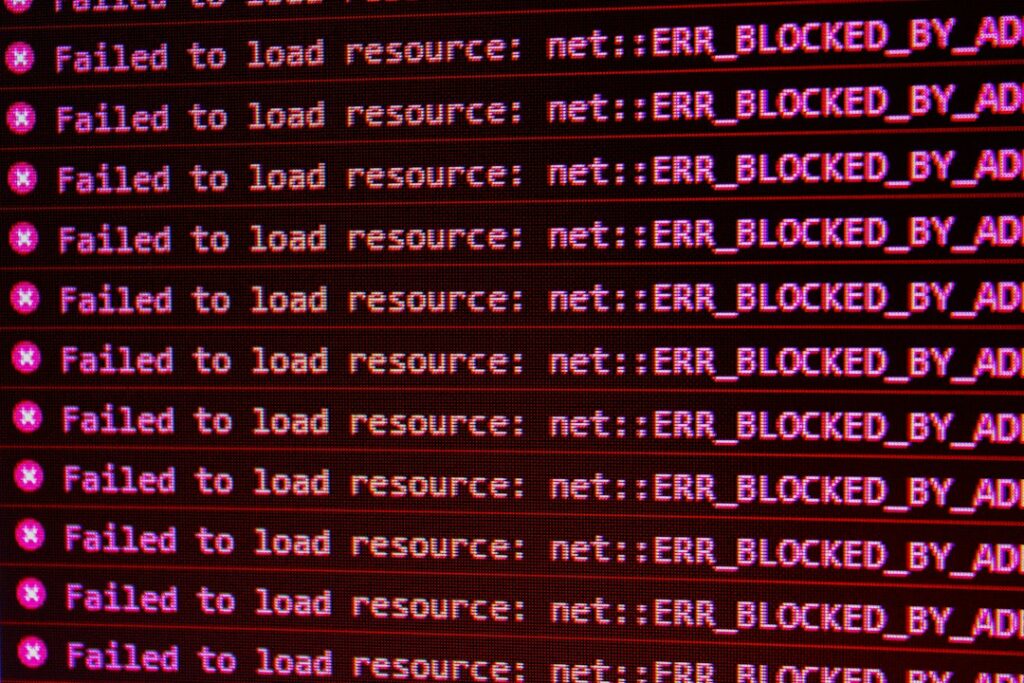
Illustrative photo by David Pupăză on Unsplash, used under the Unsplash licence; not a screenshot of the service.
An HTTP number in an Eagle 4K player is evidence, not a complete diagnosis. Record the exact code, item, player, device and time before retrying. Standard codes such as 401, 403, 404, 405 and 503 have defined HTTP meanings, but a player can also display app-specific or upstream codes that are not standard HTTP.
This guide helps resellers classify an error without exposing credentials. It does not claim that a code has one Eagle-specific cause, that every player displays the same response, or that repeated URL changes will repair an account.
What public Eagle discussions reported
On 17 May 2025, a user testing Eagle 4K said TiviMate showed HTTPSourceException on channels that played in Smarters. The post did not publish a verified status code or root cause. It is useful because it shows that the full error text and player comparison matter.
On 5 April 2025, another thread mentioned “error code 458” during a service incident. HTTP 458 is not defined by the current core HTTP semantics standard, so it should be recorded as an implementation-specific display rather than translated into a standard meaning.
A separate Reddit post displayed as five months old on 26 October 2026 described a 405 after the buyer received a service different from the one expected and used a mismatched playlist. That is not an Eagle support authority, but it illustrates how the wrong service/profile can produce a real HTTP response without proving the account is offline.
Read the code family before guessing
| Code | Standard meaning | Safe reseller question |
|---|---|---|
| 301 / 302 | The requested resource redirects to another location | Does the verified player follow the redirect and keep the same protocol? |
| 401 | The request lacks valid authentication credentials for the target | Are the supplied credentials current and entered exactly? |
| 403 | The server understood the request but refuses it | Is the account, country, IP, device or request path authorised? |
| 404 | No current representation was found, or the server will not disclose one | Is the endpoint or item path current? |
| 405 | The request method is known but not supported for that resource | Is the player using the correct login/profile and endpoint? |
| 408 / 429 | The request timed out, or too many requests were sent | Was there one controlled retry after waiting, rather than a refresh loop? |
| 500 / 502 / 503 / 504 | The server or a gateway encountered an error or could not respond normally | Does the same item fail across approved setups at the same time? |
| 458 or another unregistered number | Potentially app-, proxy- or service-specific | Capture the exact screen and ask verified support what their code means |
The definitions above come from RFC 9110, HTTP Semantics. The RFC defines 401 as missing valid authentication, 403 as refusal despite understanding the request, 404 as not found, 405 as method not allowed and 503 as temporary inability to handle the request. These definitions describe HTTP; they do not reveal an Eagle account’s private server logic.
Capture the error before it disappears
- Exact text and number. Include the exception name, status number and any short message, but redact URLs and tokens.
- Exact item. Record one channel, movie or episode rather than “everything.”
- Date, time and time zone. Use a precise timestamp so support can compare logs.
- Player and version. State the app publisher, version and whether it came from a verified store or source.
- Device and operating system. Include the model, OS version and available storage.
- Account state. Note whether playlist refresh, EPG refresh and another item work.
- Network path. Record Wi-Fi/Ethernet and whether a VPN was already active; do not toggle it repeatedly.
- One comparison. Stop playback, then test one approved second player or device within the connection rules.
Use a low-risk diagnostic sequence
- Confirm whether the playlist refresh succeeds before treating the error as a playback-only problem.
- Re-enter the verified server address and username manually only if a transcription error is plausible; never post them publicly.
- Check the customer line’s documented status and expiry in the authorised panel without creating a replacement.
- Close every other active session and wait briefly before one retry.
- Restart the player and device, then retest the same item.
- Compare another authorised item in the same category, followed by one item in another category.
- Where permitted, stop the first app and compare one verified second player on the same device.
- Test another approved device only after closing the original session.
- Escalate the code, timestamp and comparison results instead of continuing random changes.
Redirects and player-specific messages
Google’s Media3 troubleshooting documentation says ExoPlayer normally follows 301 and 302 redirects, but not a cross-protocol redirect between HTTPS and HTTP by default. Its player-events guide also shows that an HTTP networking failure can be surfaced as InvalidResponseCodeException. That explains why the exception name, status code and player matter.
Do not solve a redirect error by publishing a private playlist URL, weakening HTTPS or guessing alternative domains. Use only the verified endpoint supplied for the exact Eagle offer. A URL that works for a different service or customer can expose credentials, violate account rules or simply return another misleading code.
What the result usually narrows
| Observation | Investigate first | Avoid |
|---|---|---|
| 401 after credentials were re-entered | Line status, exact username/password and correct server | Creating multiple replacement lines |
| 403 on one network only | Authorisation, network path, VPN or regional policy | Assuming DNS alone is the cause |
| 404 for one VOD item | Item path or catalogue record | Resetting the whole player |
| 405 after importing a third-party profile | Login method, profile and endpoint match | Treating a mismatched profile as an Eagle outage |
| 503 across two approved setups | Timed upstream/service evidence | Continuous refresh requests |
| Nonstandard code with no documentation | Player screenshot and verified support | Assigning a made-up HTTP meaning |
If the host name itself does not resolve, use the separate Eagle 4K URL and DNS checklist. If the playlist loads but the screen stays black, use the black-screen diagnostic. If a VPN changes the result, follow the VPN comparison guide.
Protect credentials while escalating
- Crop screenshots so they show the code but not the full playlist URL.
- Redact usernames, passwords, tokens, panel addresses and customer names.
- Do not paste credentials into public URL checkers, Reddit comments or generic AI tools.
- Send sensitive account identifiers only through the verified private support route.
- Do not reuse a customer password as a panel password.
- Keep one ticket or message thread per incident so timestamps remain understandable.
Frequently asked questions
Does 401 always mean the password is wrong?
No. It means the request lacks valid authentication for that resource. The credentials can be mistyped, inactive, sent to the wrong endpoint or refused for another documented account reason.
Is 403 the same as a DNS failure?
No. A 403 is an HTTP response, so a server or gateway received and understood the request. DNS failure occurs earlier and normally does not produce a standard 403 from the intended resource.
What does Eagle 4K error 458 mean?
The core HTTP standard used here does not define 458. Treat it as implementation-specific: record the player, exact message and timestamp, then ask the verified support route.
Should I keep pressing refresh after a 503?
No. RFC 9110 describes 503 as temporary service unavailability and allows a Retry-After response. Wait, make one controlled retry and preserve the timestamp for support.
Confirm the account and offer before ordering
Eagle4KPanel.com sells reseller panels, not retail subscriptions. Review the current Eagle IPTV and Eagle 4K credit packages without converting credits into subscription periods. For an account-specific HTTP error, contact WhatsApp +44 7400 751626.
Research note: Checked 26 October 2026. Reddit examples are dated user reports and do not establish current service status. RFC 9110 and Android documentation define general HTTP and player behaviour only. No private server logs or first-hand Eagle test were used.